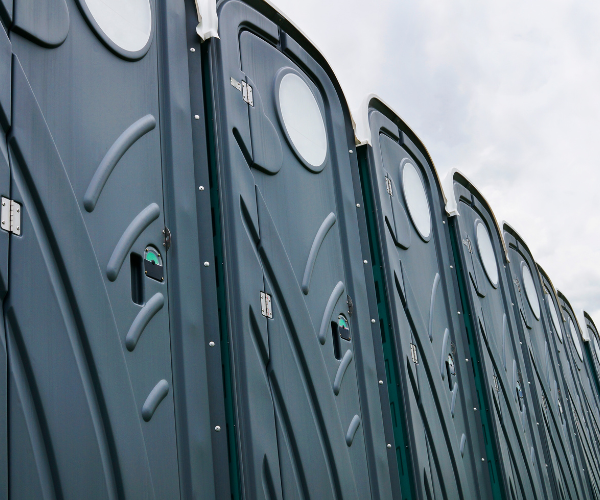
Portable toilets offer several eco-friendly advantages, making them a sustainable choice for many events and worksites. The key benefit lies in their water-saving design. Traditional toilets can use gallons of water per flush, whereas portable toilets often use minimal water, and some models are entirely waterless. This significant reduction in water usage contributes to preserving this vital natural resource, particularly in drought-prone areas. Furthermore, portable toilets can act as a closed waste management system, efficiently containing and disposing of waste without risking contamination of local land and water supplies. Many modern portable toilets are made from recycled materials, enhancing their eco-friendly profile. They are also designed to be reusable, with proper maintenance allowing them to provide extended service life, minimizing the need for new production. Gravitating towards renewable and sustainable resources, some units feature solar-powered options for light or even ventilation, further reducing their carbon footprint. As organizers of events become more environmentally conscious, selecting portable toilets becomes not only practical but also a responsible choice, meeting the increasing demand for sustainable event solutions. Also, their ability to be moved and relocated as needed means they can reduce the carbon footprint associated with transporting users to fixed restroom facilities. In summary, portable toilets provide an excellent way to maintain hygiene standards in various locations while also being considerate of environmental impacts.
Portable Toilet Rentals in Coryell County, Texas
Call today for a free quote (830) 465-2319
Portable Toilet
Fast, Easy, & 100% Free To Get Started
Decades of Trusted Service
With over 25 years of experience, our company serves Coryell County with pride, offering a reliable and professional service. We maintain deep ties to the community, meeting quality standards and ensuring customer satisfaction.
Exemplary Quality Standards
We stand out as an industry leader by delivering clean, durable, and well-maintained portable toilets, reflecting our unwavering commitment to quality.
Swift, Efficient Delivery
Experience fast and reliable delivery of portable toilets tailored to your events' needs, ensuring that your timeline is met with precision and professionalism.
Portable Toilet Solutions in Coryell County
Call for a Free Quote Today
(830) 465-2319
Our Portable Toilet rental company in Coryell County, Texas, is highly regarded for its exceptional reliability, cleanliness, and community-based service. Locally owned and operated, we understand the unique needs of our areas like Copperas Cove and Gatesville, ensuring prompt service delivery no matter the occasion. From construction sites to weddings, festivals to parties, our range of services guarantees that your events are equipped with sanitary facilities that are both dependable and efficient. Our commitment to quality extends beyond mere rentals; we promise an experience that is hassle-free, allowing you to focus on enjoying your occasion to the fullest.
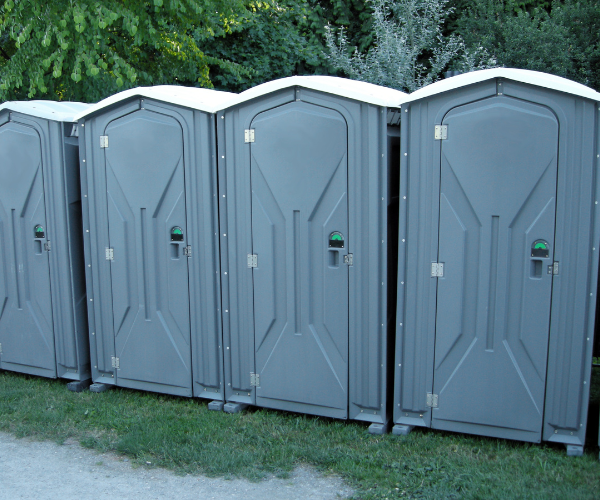
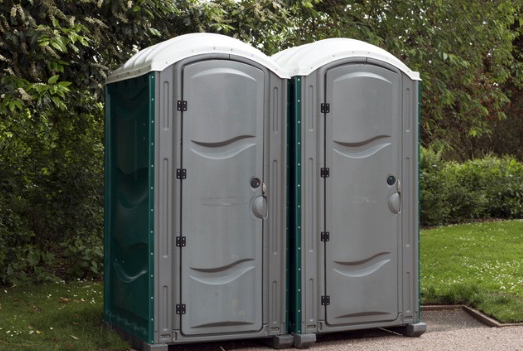
Our standard porta john rental units are durable and reliable for any commercial build site, housing development, public works project, or remodel job.Features include dome lighting, grated floors, and an “In-Use” locking mechanism for privacy and comfort. Regularly maintained, inspected, and cleaned by FusionSite at your location.
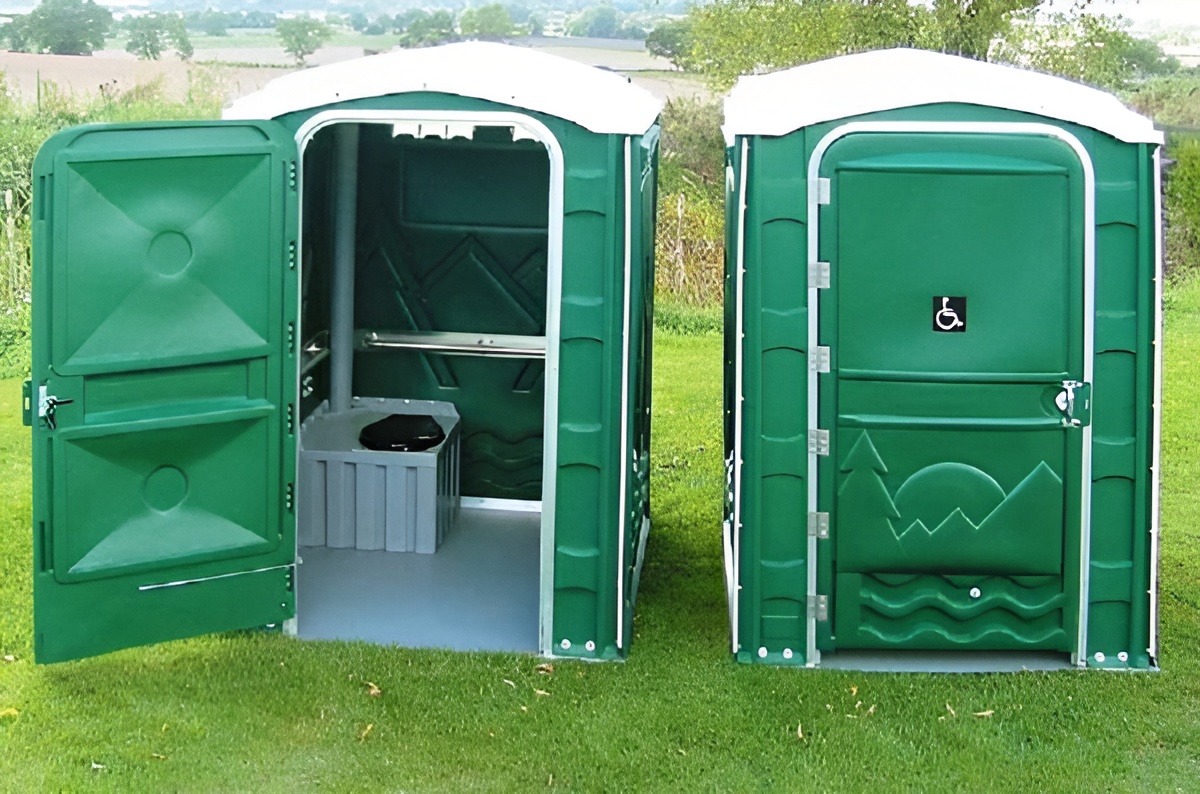
Developed as an alternative to full ADA-compliant restrooms, the Liberty is a spacious, wheelchair-accessible unit that can also be promoted as a family-sized restroom. Includes a patented flat-floor system for easy wheelchair access and maneuverability.Handrails, paper holder, and rotary latch are designed for simple, intuitive end-user operation.
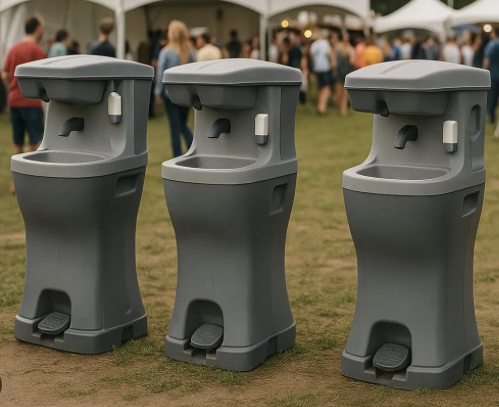
Portable hand washing stations are essential for keeping your work site sanitary and clean. Features hands-free foot pumps, liquid soap, and paper towels.Perfect for job sites without water hookups, these units can handle hundreds of washes between services.
We Proudly Serve
Standard Portable Toilets
Our Standard Portable Toilets offer clean and reliable sanitation solutions tailored to any event in Texas.
High Rise Portable Toilets
In Coryell County, our High Rise Portable Toilets provide accessible and convenient options for tall building construction projects.
Restroom Trailers
Coryell County's J Bar Restroom Trailers blend luxury amenities with practical sanitation solutions for any upscale event.
Roll off Dumpsters
Our Roll off Dumpsters in Coryell County offer efficient waste management solutions suitable for construction and residential needs.
Septic Tank Cleaning
J Bar's Septic Tank Cleaning in Texas promises reliable maintenance for efficient home and commercial waste systems.
Grease Trap Cleaning
We provide specialized Grease Trap Cleaning in Coryell County, ensuring smooth operations for local restaurants and facilities.
Fencing & Barricades
Our Fencing & Barricades service in Texas supports event safety and construction site security with quality materials and installation.
Residential Storage
J Bar's Residential Storage in Coryell County offers secure and flexible solutions for personal storage needs.
Coryell County Portable Sanitation Solutions
Obtaining a quote and scheduling a delivery for a Portable Toilet in Coryell County is straightforward and stress-free. We provide multiple points of contact and seamless processes to meet your needs promptly. Once an inquiry is made, either through our online forms or via a direct call, expect a swift response from our knowledgeable team ready to assist you. We're dedicated to accommodating a range of preferences, from straightforward rentals to high-end luxury units for special occasions. Every step, from initial contact through the final setup, is managed with the utmost professionalism to ensure customer satisfaction. When you arrange a delivery, we coordinate every detail meticulously, so there's no oversight. Our goal is to provide convenience as standard, guaranteeing that every rental process is as smooth as possible. Rely on our expert service, as we make it easy for you to focus solely on the success of your event.

Experience the vibrant outdoors of Coryell County with our portable toilets as the ultimate solution for any event. Whether you're attending the renowned Gatesville Country Music Hall of Fame Rodeo or exploring the scenic beauty of Mother Neff State Park, our services bring convenience and reliability to every occasion. From community festivals and bustling markets to serene outdoor weddings and rugged construction sites, our units are designed to blend seamlessly into the county's breathtaking landscapes, ensuring that nature's charm is complemented by modern amenities. Enjoy the peace of mind that comes with knowing clean and fully equipped portable restrooms are available at your event, enhancing the guest experience. Community events and outdoor attractions in Coryell County are a testament to its welcoming atmosphere and local charm. Our portable toilets stand ready to support gatherings big and small, maintaining sanitation standards that reflect our commitment to quality. Trust us to deliver efficient services that speak to local pride, perfectly aligning with the county's spirit.
In the heart of Coryell County, our portable toilet services excel, making us the go-to choice for sanitation needs in this vibrant community. We showcase our commitment to excellence through meticulously maintained and delivered units, ensuring both cleanliness and reliability. With strong local ties, we offer prompt and effective service, reinforcing our dedication to customer satisfaction beyond standard expectations.Choose us for your events, and you'll witness our unwavering commitment to delivering the best for Coryell County's wide array of activities. In an area rich with charm and community spirit, we support gatherings with essential sanitation solutions, ensuring the success of your events.
In Coryell County, our portable toilet service is synonymous with speed and reliability. With our focus on quick delivery and setup, we make sure your sanitation needs are met with minimal disruption. Our fleet of well-maintained vehicles and units ensures readiness for prompt deployment anywhere across the county.We pride ourselves on an reliable service that adapts to the unique demands of both events and worksites, providing peace of mind with every delivery. You can trust us to prioritize punctuality and overall efficiency, leaving you free to focus on what matters most.
Discover Our Portable Toilets in Coryell County
Renting a Portable Toilet in Coryell County is simple and user-friendly, with multiple options designed to cater to your needs swiftly. Start by visiting our website, where you'll find links to forms both at the top and bottom of the page. These forms are specifically crafted to guide you through the submission process, asking for essential details such as your first and last name, phone number, and email address. If you prefer immediate attention, our 'Get A Quote' buttons are placed prominently throughout the site facilitating quick access to our team of experts. These buttons provide a streamlined process ensuring that your request reaches us promptly. Upon submission, rest assured that our dedicated staff will contact you within a short period to discuss your requirements and preferences. Should you require any assistance or have questions during this process, our customer service team is readily available to offer personalized guidance over the phone. With our emphasis on customer satisfaction, the rental procedure is efficient, guaranteeing that you experience a seamless transaction from start to finish. We prioritize clarity and convenience in our rental system, ensuring that your needs are met with the highest level of professionalism.
Our typical delivery timeframe for Portable Toilet orders is designed to meet your timeline with precision and efficiency. We pride ourselves in offering flexible delivery options that cater to both urgent and pre-planned events. Once an order is confirmed, our logistics team coordinates every aspect of the delivery process to ensure timely service. Typically, standard orders can be fulfilled within 24 to 48 hours, covering local events and constructions sites. For more complex setups or larger orders, we recommend allowing for a bit more lead time to ensure everything is perfectly arranged to meet your specific requirements. Regardless of the size or nature of the request, we strive to deliver as quickly as possible without compromising on quality. Customers can rely on our experienced team to adapt to their schedules, providing up-to-date delivery status throughout the process. Our goal is to deliver not just on time but also to exceed your expectations in terms of service and customer satisfaction.
Yes, we are fully equipped to service all types of events and construction services, offering an extensive range of sanitation solutions tailored to meet diverse requirements. Our capabilities include providing luxury restroom trailers, standard porta potties, and ADA-compliant units to accommodate any guest's needs. We also offer portable sinks, hand sanitizer stations, and holding tanks for comprehensive sanitation coverage. Whether you're organizing a sprawling festival, an intimate wedding, a bustling corporate event, or a community sports meet, our solutions are flexible and scalable. Our services extend to construction sites, with robust units able to withstand the rigors of ongoing projects. We enhance site safety and management with fencing and barricades, supporting seamless operations. With a reputation for reliability and a commitment to maintaining high hygiene standards, trust us to provide the necessary infrastructure, whatever your event's nature. Every setup is customized with attention to detail, ensuring a seamless experience from start to finish. Our professional team is experienced in adapting to various settings, ensuring your event runs smoothly with minimal disruption. With a comprehensive fleet and dedicated staff, we're your go-to partner for portable sanitation needs in any setting.