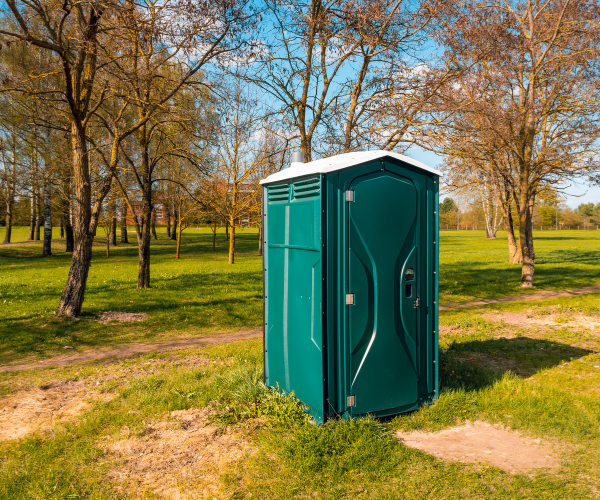
Portable toilets offer numerous eco-friendly advantages that contribute positively to environmental sustainability. Firstly, they significantly reduce water usage compared to traditional flush toilets, conserving thousands of gallons of water annually. This water-saving feature is particularly relevant in arid regions or during droughts when water conservation becomes imperative. Moreover, the chemicals used for waste treatment in portable toilets are designed to break down waste efficiently and minimize odor without harming the environment.Traditionally, portable toilets have also demonstrated less environmental impact during construction phases, as they are utilized at construction sites and events, which minimizes the need for costly plumbing installations. This not only cuts down construction time but also lessens the disruption of natural landscapes. Additionally, portable toilets have the inherent advantage of being mobile. This mobility allows them to be strategically placed to meet demand, often being moved to more areas where traditional infrastructure cannot reach, reducing the need for users to travel for basic sanitation needs, hence cutting down on carbon emissions.Another eco-friendly benefit is that the waste collected through portable toilets can often be treated and converted into renewable energy or compost, thanks to advances in waste treatment technology. Some waste management companies are pioneering methods to transform human waste into biogas or agricultural fertilizers, which benefit communities seeking sustainable solutions. Additionally, the renewable materials used in the latest portable toilet designs, such as recycled plastics, lower the product's carbon footprint. All of these factors combine to position portable toilets not only as a convenience but as a conscientious choice for eco-friendly practices. By choosing portable toilets, individuals and event organizers contribute to sustainable usage of resources, effective waste management, and a reduction in their environmental footprint. They represent a usable alternative that supports greener initiatives and enhances the quality of services provided to the public.
Portable Toilet Rentals in Hays County, Texas
Call today for a free quote (830) 465-2319
Portable Toilet
Fast, Easy, & 100% Free To Get Started
Over 20 Years Of Experience
J Bar Enterprises, rooted in Hays County for over 20 years, takes pride in our robust community relationships and steadfast commitment to quality. We deliver reliable, professional Portable Toilet solutions designed to elevate any event, underscoring our dedication to exceeding customer expectations.
Exceptional Quality Service
At J Bar Enterprises, we uphold the highest quality standards in every service we offer. Our portable toilets undergo meticulous maintenance, ensuring pristine condition. Our responsive customer service prioritizes excellence and client satisfaction at every step.
Rapid and Efficient Delivery
Our team at J Bar Enterprises is committed to providing quick and reliable delivery of portable toilets, ensuring your event is hassle-free from start to finish. With our efficient logistics, we guarantee timely service to meet your immediate sanitation needs.
Convenient Portable Toilet Solutions in Hays County
Call for a Free Quote Today
(830) 465-2319
J Bar Enterprises offers dependable and reliable portable toilet services in Hays County and surrounding areas. As a locally owned business, we pride ourselves on providing exceptional service for a variety of events, including construction sites, parties, festivals, and weddings. Our commitment to the community ensures that whether you're hosting a small gathering or a large-scale event, our portable toilets are available to meet your needs. Our team is dedicated to maintaining high standards of cleanliness and customer satisfaction. By choosing J Bar, you're supporting local industry leaders who prioritize efficiency and affordability. Count on us for your next event in Hays County or nearby zones.
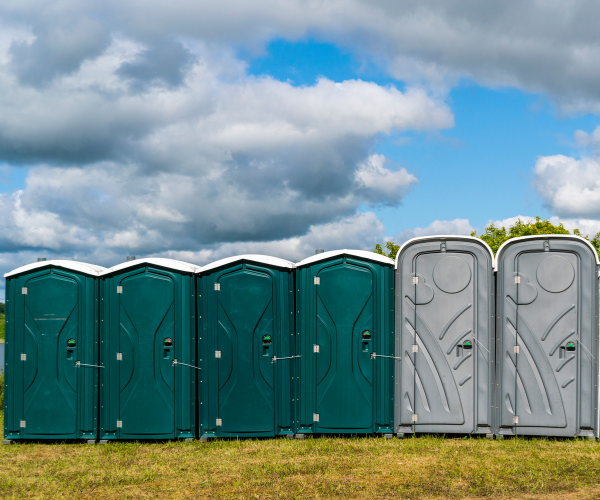
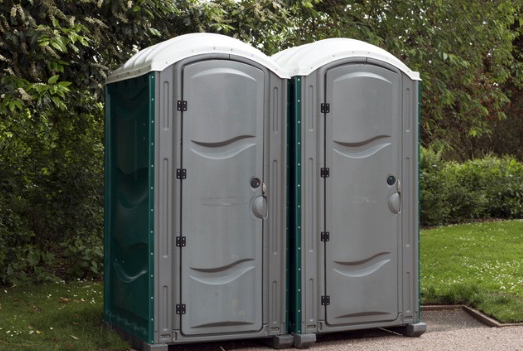
Our standard porta john rental units are durable and reliable for any commercial build site, housing development, public works project, or remodel job.Features include dome lighting, grated floors, and an “In-Use” locking mechanism for privacy and comfort. Regularly maintained, inspected, and cleaned by FusionSite at your location.
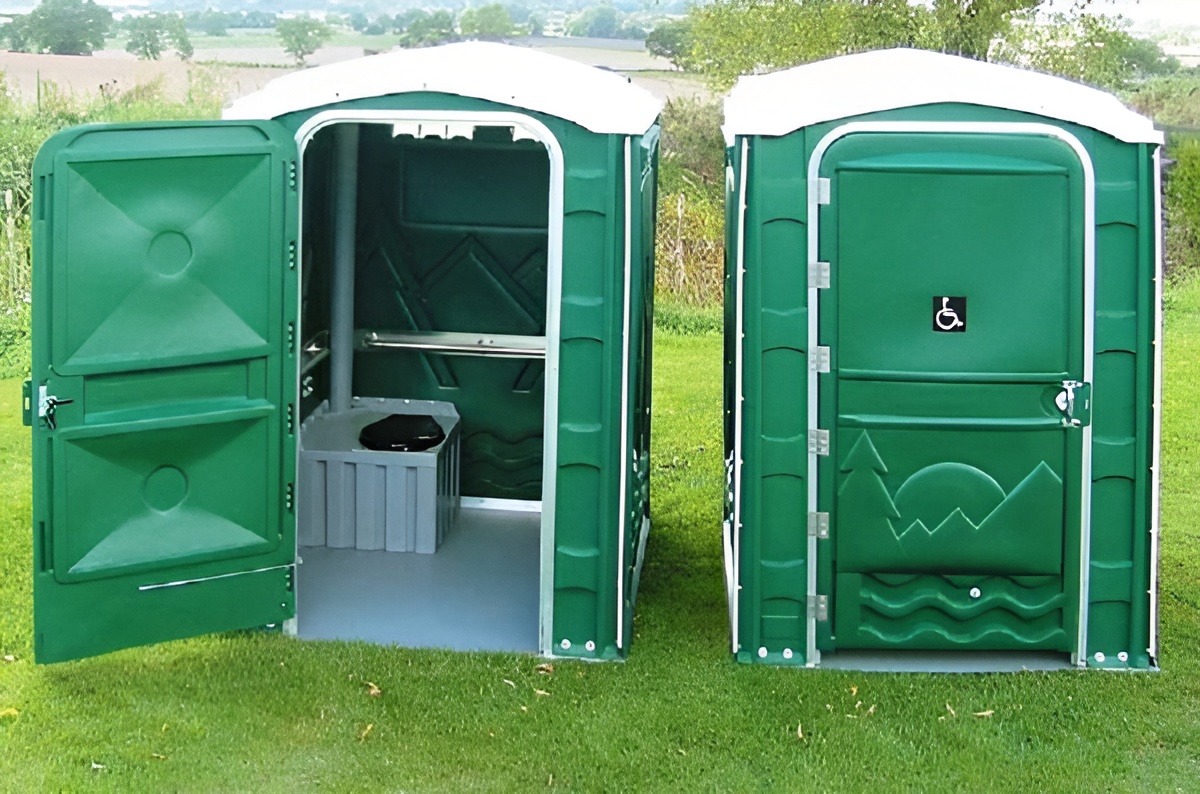
Developed as an alternative to full ADA-compliant restrooms, the Liberty is a spacious, wheelchair-accessible unit that can also be promoted as a family-sized restroom. Includes a patented flat-floor system for easy wheelchair access and maneuverability.Handrails, paper holder, and rotary latch are designed for simple, intuitive end-user operation.
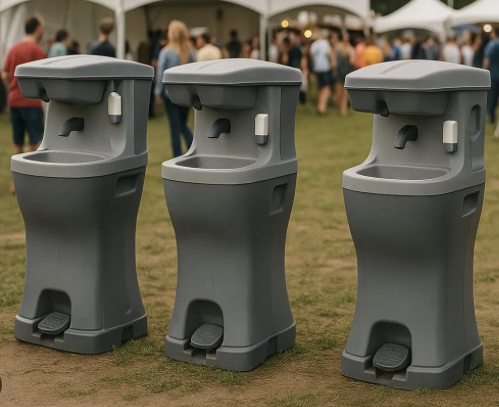
Portable hand washing stations are essential for keeping your work site sanitary and clean. Features hands-free foot pumps, liquid soap, and paper towels.Perfect for job sites without water hookups, these units can handle hundreds of washes between services.
We Proudly Serve
Standard Portable Toilets
J Bar offers reliable and hygienic Standard Portable Toilets across Texas for events and construction needs.
High Rise Portable Toilets
Providing high-quality High Rise Portable Toilets for elevated locations in Hays County, Texas.
Restroom Trailers
Our Restroom Trailers in Hays County offer luxurious and convenient facilities for special events and gatherings.
Roll off Dumpsters
Providing efficient Roll off Dumpsters services within Hays County for construction and event waste management.
Septic Tank Cleaning
Expert Septic Tank Cleaning services available across J Bar's Texas coverage for residential and commercial clients.
Grease Trap Cleaning
J Bar provides thorough Grease Trap Cleaning services in Hays County, Texas, ensuring smooth operation of your facilities.
Fencing & Barricades
Offering durable Fencing & Barricades for construction sites and events throughout Texas, ensuring safety and organization.
Residential Storage
Secure Residential Storage solutions available in Hays County, Texas, to safeguard your possessions with J Bar.
Hays County Site Services and Portable Toilets
At J Bar Enterprises, getting a quote for your portable toilet needs is a swift and convenient process. With user-friendly forms available at both the top and bottom of our webpage, potential clients can effortlessly provide their first and last names, phone number, and email to receive a tailored quote promptly. Our 'Get A Quote' buttons, strategically placed throughout the website, further streamline this process, ensuring that help is just a click away at any part of your browsing journey. Our team is dedicated to offering personalized services that meet the dynamic needs of each event, whether it's a small family gathering or a large festival. Our delivery system is equally efficient and user-oriented. Once an order is placed, we guarantee prompt delivery wherever you are in Hays County. Our well-maintained fleet is always ready to be dispatched, ensuring you receive our high-quality portable toilets when needed. We pride ourselves on transparency and timeliness throughout the rental period. This commitment to customer service means peace of mind for event organizers, knowing that they have partnered with a company synonymous with reliability and excellence in outdoor sanitation solutions. Enhance your guest experience with J Bar's portable toilets, known for being top-tier in sanitation and convenience.
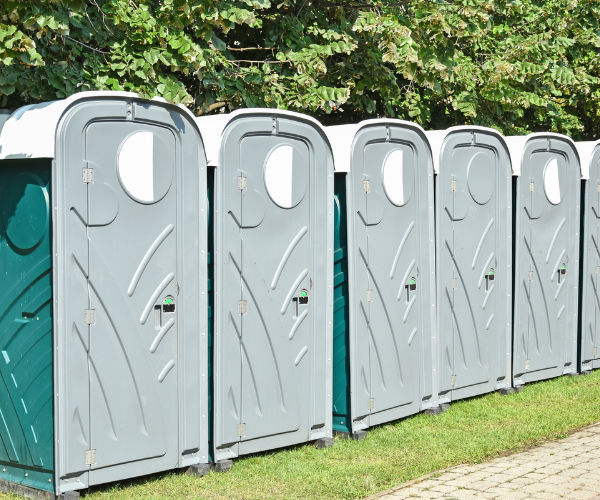
Nestled in the heart of Texas, Hays County is renowned for its rich local charm and breathtaking landscapes, making it a prime location to host various outdoor events. Whether you are embracing the county's natural beauty at an outdoor wedding or a lively community festival, such as the Wimberley Arts Fest or near the iconic San Marcos River, J Bar Enterprises is your trusted partner for portable toilet solutions. Our services are tailored to complement the unique atmosphere of Hays County's outdoor attractions and community events. Our portable toilets are meticulously maintained, ensuring top-notch hygiene and practicality for guests. As a company deeply integrated into the community, we understand the importance of reliable sanitation services that seamlessly blend into the surroundings. By focusing on local appeal and service quality, our portable toilets enhance the guest experience, ensuring that the beautiful scenery of Hays County can be enjoyed without compromise. Whether you're planning a serene gathering near the county's awe-inspiring parks or a bustling event within its various community centers, our clean and convenient portable toilet solutions cater impeccably to your needs. Choose J Bar for your next Hays County event, and experience the difference of locally-oriented, customer-centric service.
Bringing over two decades of experience to the communities of Hays County, J Bar Enterprises stands as the premier choice for portable toilet rentals. Our dedication to local service and understanding of the area's unique needs ensures that we provide reliable, high-quality sanitation solutions for any occasion. We're committed to enhancing every event with tailored, exceptional service that meets the vibrant expectations of our clients in this region. Our professionalism, coupled with a personal touch derived from our community roots, makes us an unparalleled choice. We take pride in offering sanitation solutions that align with Hays County's serene environments and cultural vibrancy. Our clean, well-maintained units are designed to cater to the aesthetic and functional necessities of any dry, outdoor gathering, be it a lively public festival or a private wedding celebration. By choosing J Bar Enterprises, you entrust your event's restroom requirements to a team that understands the community and values the hallmark of excellence. Experience the assurance of a provider who recognizes your specific needs and exceeds them with unmatched dedication.
J Bar Enterprises has built a strong reputation in Hays County for delivering portable toilet services that embody reliability and promptness. Understanding the importance of timely service, we have streamlined our delivery processes to ensure your portable toilets arrive exactly when needed. This focus on efficiency allows us to cater to last-minute requests, demonstrating our commitment to high-quality service. Our team operates with the precision and respect required to navigate the scheduling demands of both small and large-scale events. We coordinate closely with event organizers, aiming to provide exactly what is needed promptly and with an emphasis on detail and cleanliness. Whether it's a weekend event in the heart of Hays County or a weekday construction need, our portable toilet solutions are quick to deploy, ensuring your guests are comfortably catered to from start to finish. Rely on J Bar Enterprises to be your trusted partner in portable sanitation, delivering a seamless blend of modern amenities and punctual service, tailored to fit the unique environment of Hays County.
Discover More About Our Portable Toilets in Hays County
Renting a portable toilet in Hays County is a straightforward process thanks to J Bar Enterprises' streamlined system. We simplify the experience to ensure a hassle-free quote and booking system. The key feature of our service is the ease of initiating the rental process through our user-friendly forms available on our website's main pages. Visitors will find forms at the top and bottom of the page, asking for basic information such as first and last names, phone number, and email, enabling us to provide accurate quotes tailored to your needs. Our commitment to accessibility is demonstrated by the strategically placed 'Get A Quote' buttons throughout our website. These allow prospective renters to request pricing details conveniently, at any point in their browsing experience. Our team is dedicated to quick response times, ensuring renters receive the necessary information promptly. Additionally, we understand the prospect of renting portable toilets can seem daunting; hence, our customer service is available to guide clients through the selection process, answering any questions they may have. Once you've filled out the requisite forms, our representative will connect with you to confirm your specific requirements and set up a timeline for delivery and pick-up that fits seamlessly into your event schedule. Our goal is to provide professional, courteous service that guarantees your portable toilets arrive on time and are collected efficiently after use, maintaining the highest standards of hygiene and practicality. Whether your event is large or small, J Bar Enterprises remains your trusted partner for portable toilet rentals within Hays County.
The typical delivery timeframe for portable toilet orders with J Bar Enterprises is designed to prioritize both reliability and speed, ensuring that your sanitation needs are met efficiently. Generally, for scheduled events or projects, we advise arranging for delivery 48 to 72 hours in advance to guarantee availability and the best possible service accommodations. This lead time allows our team to prepare and transport your units promptly in alignment with any specific requirements you might have.In instances where immediate service is required, our flexible team strives to accommodate requests with shorter notice periods, backed by our robust logistics and ready-to-deploy fleet. J Bar understands the variables inherent in hosting events or managing construction sites, which is why we remain dedicated to meeting urgent needs, often facilitating same-day service for our closer service areas when possible. Even with our efficient timelines, unforeseen circumstances such as severe weather or high-demand periods can occasionally impact delivery schedules. When these occur, our priority is to keep clients informed, offering updates and clear communication to adjust plans accordingly. This ensures that no matter the scenario, our customers are confident in receiving service tailored to their expectations. Overall, J Bar Enterprises stands out for blending high reliability with adaptability in all our delivery operations.
Yes, at J Bar Enterprises, we proudly cater to a wide variety of events and construction projects, offering versatile and comprehensive sanitation services. Whether you're organizing a sprawling music festival, a lively sporting event, an elegant wedding, a corporate function, or a cherished family reunion, we have the capacity and commitment to meet your needs robustly. Our extensive selection includes luxury restroom trailers, standard porta-potties, roll-off dumpsters, and more — each crafted for peak functionality and comfort.We supply specialized units such as ADA-compliant portable toilets, portable sinks, and hand sanitizer stations, which offer accessibility and convenience for all attendees. These additions ensure compliance with regulations while enhancing the event experience. Furthermore, our services are not limited to leisure events — we are equally equipped to support construction sites, providing fencing and barricades, holding tanks, and reliable waste management solutions.Every client receives tailored service, building on our decade-spanning expertise and dedication to customer satisfaction. With a professional team to support you, J Bar ensures that your event logistics are not only seamless but that they bolster a reputation for excellence in Hays County and beyond. This unmatched versatility and thorough attention redefine the standards of event and site service convenience.