Utilizing portable toilets offers significant eco-friendly benefits, contributing to conservation efforts and minimizing environmental impact. These facilities are designed to use minimal water compared to traditional restrooms, significantly reducing overall water consumption without compromising hygiene and comfort. The chemical solutions used in portable toilets are carefully developed to break down waste efficiently and trigger decomposition, further supporting eco-friendly waste management practices. By employing portable toilets, event organizers can significantly cut down on the plumbing infrastructure traditionally needed for large gatherings. This reduction minimizes not only installation resource consumption but also the environmental footprint left by heavy machinery used in conventional plumbing setup. Instead, portable toilet services emphasize convenience paired with conscious environmental responsibility. Moreover, the materials used to construct portable toilets are often recyclable and designed for longevity, ensuring that fewer resources are used in frequent replacements. The design focus on durability and recyclable components ensures sustainable production and end-of-life recycling processes that contribute to broader conservation efforts. In addition to the ecological advantages, portable toilets play a crucial role in maintaining natural cleanliness in remote outdoor locations, such as parks and festival grounds, where conventional restroom facilities would be impractical. They assure that human waste is managed correctly and does not pollute the environment. These green efforts are essential in minimizing human environmental impact while providing a serviceable and hygienic solution for modern sanitary needs. With integrated waste management practices that consider ecological outcomes, portable toilets represent an important step toward sustainable solutions in public sanitation.

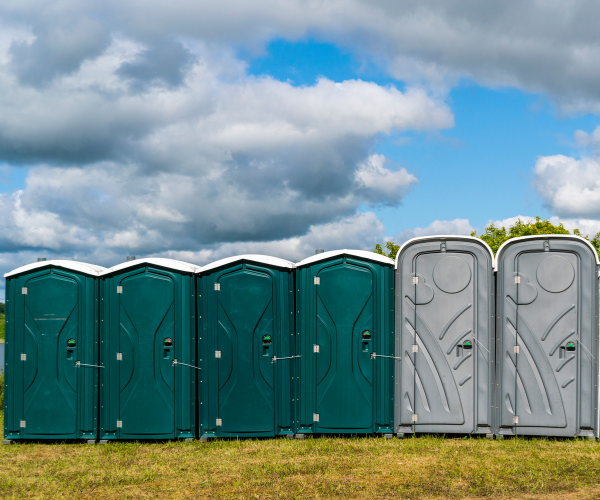
Portable Toilet Rentals in San Saba, Texas
Call today for a free quote (830) 465-2319
Portable Toilet
Fast, Easy, & 100% Free To Get Started
Over 15 Years of Experience
With over 15 years of experience, our locally rooted company has been serving San Saba with unwavering dedication to quality. We pride ourselves on strong community ties and a commitment to reliable service, ensuring every customer is satisfied.
Quality At Every Step
Our focus on quality ensures that each portable toilet we provide is exceptionally maintained and reliable for any event. Whether it's a large festival or a private gathering, we commit to delivering top-notch units that meet your needs.
Swift and Reliable Delivery
Our portable toilets are delivered promptly to ensure your event runs smoothly without any delays. We make sure that every delivery is handled professionally, allowing you to focus on other aspects of your planning.
Convenient Portable Toilet Services in San Saba
Call for a Free Quote Today
(830) 465-2319
Located in the heart of San Saba, our portable toilet rental company prides itself on being dependable, reliable, and locally owned. We offer a wide range of services tailored to cater to construction sites, lively parties, bustling festivals, and elegant weddings. Our commitment to the local community ensures that each customer receives personalized service from a team that understands their unique needs. With our extensive experience and robust client base, you can rest assured of receiving quality service every time. We extend our reach to surrounding areas, making it convenient for you to access our dependable services wherever you are. Our well-maintained, clean, and modern units are available for all occasions, ensuring comfort and hygiene for all your guests.
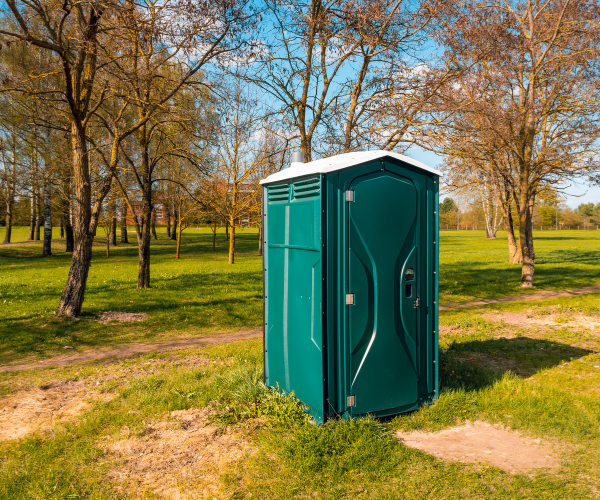
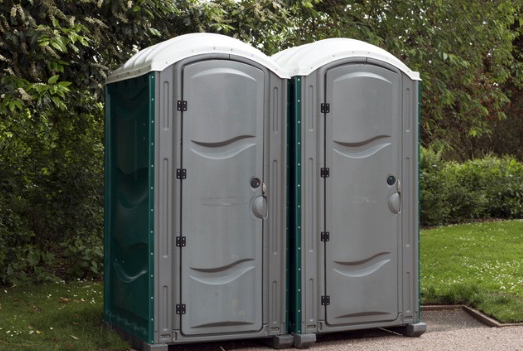
Our standard porta john rental units are durable and reliable for any commercial build site, housing development, public works project, or remodel job.Features include dome lighting, grated floors, and an “In-Use” locking mechanism for privacy and comfort. Regularly maintained, inspected, and cleaned by FusionSite at your location.
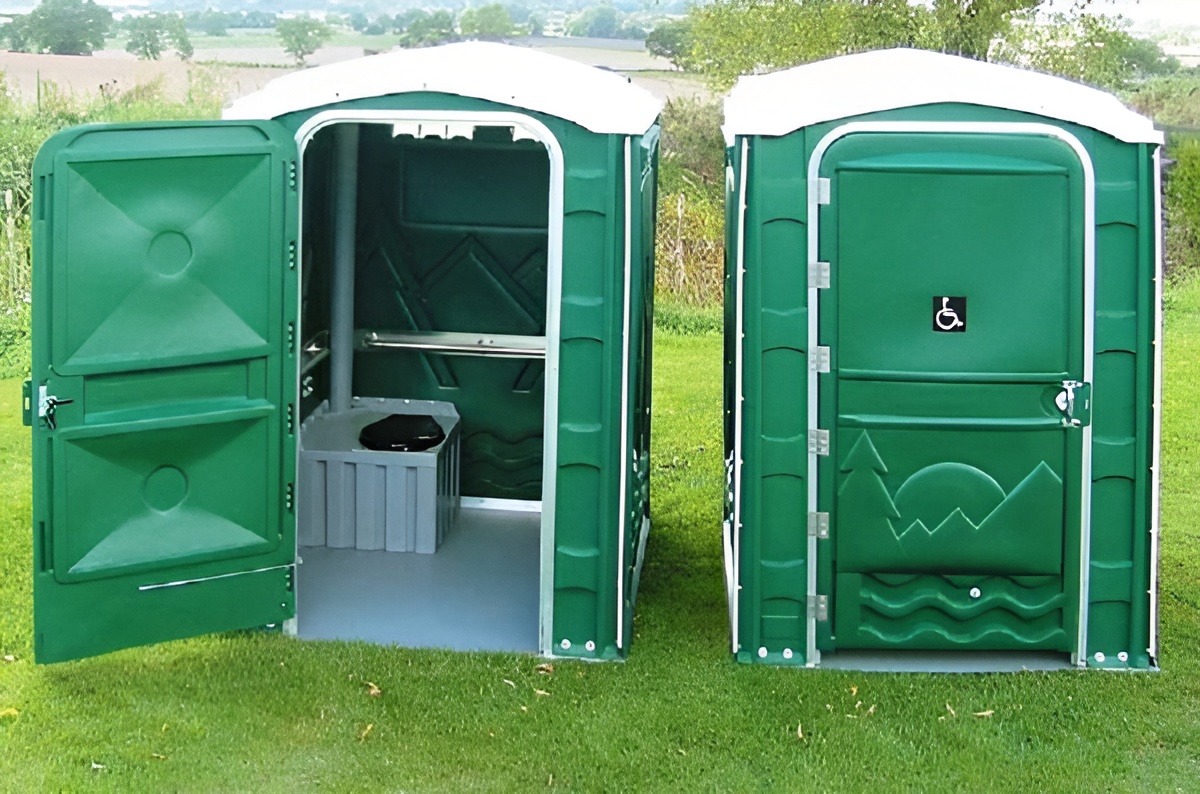
Developed as an alternative to full ADA-compliant restrooms, the Liberty is a spacious, wheelchair-accessible unit that can also be promoted as a family-sized restroom. Includes a patented flat-floor system for easy wheelchair access and maneuverability.Handrails, paper holder, and rotary latch are designed for simple, intuitive end-user operation.
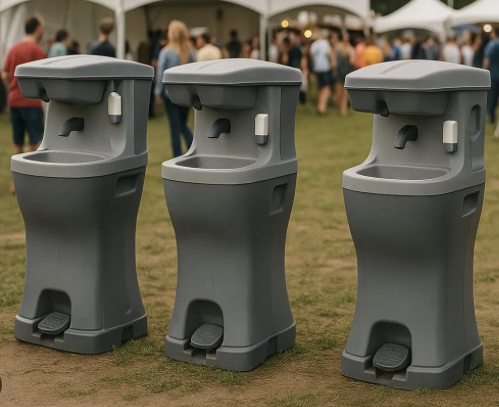
Portable hand washing stations are essential for keeping your work site sanitary and clean. Features hands-free foot pumps, liquid soap, and paper towels.Perfect for job sites without water hookups, these units can handle hundreds of washes between services.
We Proudly Serve
Standard Portable Toilets
Our Standard Portable Toilets combine affordability and functionality, serving all of Texas with user-friendly features.
High Rise Portable Toilets
High Rise Portable Toilets in San Saba are designed for convenience and efficiency in multi-story construction environments.
Restroom Trailers
J Bar's Restroom Trailers in San Saba offer the perfect blend of luxury and practicality for any upscale event.
Roll off Dumpsters
Our Roll off Dumpsters in San Saba streamline waste management, ensuring a commitment to cleanliness and environmental standards.
Septic Tank Cleaning
J Bar offers expert Septic Tank Cleaning across Texas, maintaining high sanitation standards for households and businesses.
Grease Trap Cleaning
In San Saba, our Grease Trap Cleaning service delivers efficient solutions for restaurant and kitchen maintenance.
Fencing & Barricades
J Bar provides robust Fencing & Barricades across Texas, safeguarding your events and construction sites.
Residential Storage
San Saba's Residential Storage service combines security and convenience for all your personal storage needs.
San Saba Portable Toilets and More
Getting a quote and arranging delivery for our portable toilet services is both easy and convenient. Prospective clients need to provide basic information such as their name, contact details, and the specifics of their event or site location. We have simplified this process to cater to all users by implementing easily accessible 'Get A Quote' buttons across our website, positioned strategically for convenience. This allows clients to promptly register their interest and initiate a request for services. Our team remains vigilant in delivering a fast response, engaging with inquiries swiftly, and executing service requests with precision. Each unit provided is examined rigorously to ensure it meets our quality standards before delivery. We understand the importance of meeting crucial timelines, especially for organized events and ongoing projects. As such, our logistics personnel work around the clock to guarantee timely delivery across San Saba and other regions. Feedback from our customers has been overwhelmingly positive, frequently highlighting our ability to provide efficient solutions to portable sanitation needs without delay. This commitment to excellence and time management is part of what differentiates us from competitors, enabling clients to approach their sanitary requirements with confidence knowing everything will be in place as needed. Our services extend beyond just delivery, with the inclusion of maintenance checks throughout the rental period. This proactive approach ensures the cleanliness and functionality of the units, thereby maintaining the integrity of any event or project setup. Whether the need is for a bustling construction site or an intimate wedding, we aim to deliver superior satisfaction with each portable toilet we provide. For a comprehensive and accessible service, choosing us is not just a decision for reliability but one for quality assurance.
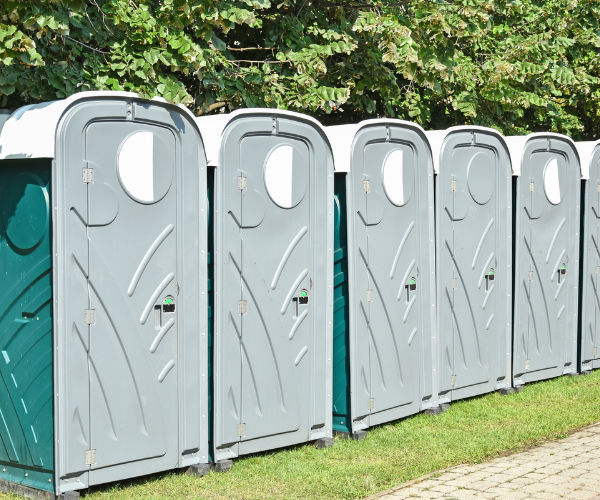
Experience top-notch portable sanitation services with our expert team in San Saba, Texas. Our portable toilets enhance the town's unique charm and natural beauty, perfectly catering to local events like the annual San Saba Pecan Jam and the renowned San Saba County Rodeo. We ensure guests enjoy both comfort and convenience. Seamlessly integrating into San Saba's vibrant outdoor activities, we make each event memorable without compromising hygiene. Our unwavering commitment to quality service stands unmatched. Known for their reliability and cleanliness, our portable toilets contribute significantly to a positive guest experience. From events held in idyllic settings near Mill Pond Park to intimate local fiestas, we ensure our units complement San Saba's allure while maintaining high sanitation standards. Tailored specifically for San Saba, our services promise reliability and cleanliness at every event. Whether your gathering is nestled in the heart of the community or at a picturesque spot, our portable toilets are designed to fulfill every need, delivering unparalleled convenience to any occasion in San Saba.
In San Saba, our portable toilet rental service excels as the top choice thanks to consistent reliability and dedication to customer satisfaction.We focus on customizing our offerings to complement the unique allure and needs of local events, providing portable toilets that are spotless and uphold superior hygiene standards. Each unit fits perfectly into San Saba's picturesque outdoor settings, making us the preferred solution for any event or gathering.Choosing our service means embracing the ease of working with a community-focused company that fully grasps the needs and expectations of San Saba's residents and guests. Our prompt service, paired with our top-quality portable toilets, ensures peace of mind for event organizers and attendees alike.
With a commitment to efficiency and professionalism, our fast and reliable Portable Toilet services ensure unparalleled customer care. Our responsive team quickly addresses requests, providing swift setups and ongoing maintenance throughout your rental period. This ensures any event runs smoothly without logistical hurdles. Centrally located in San Saba, we're poised for prompt delivery, catering to a variety of events from intimate family gatherings to expansive public festivals, while consistently upholding our standards of quality and customer satisfaction.
San Saba's Portable Toilet Solutions
Renting a portable toilet in San Saba is a straightforward process devised to be accessible to all potential clients. The first step involves visiting our website, where forms conveniently located at both the top and bottom of the page will direct you to provide essential details, including your first name, last name, phone number, and email. These forms facilitate quick communication, ensuring our team can swiftly address your request and tailor services to match your specific needs. For clients who prefer direct consultation, clicking the 'Get A Quote' buttons across our web pages will initiate a prompt response from our customer service team, guiding you through the rental process with ease. Our streamlined method is designed to eliminate any barriers, making portable toilet rental a hassle-free experience for all. Whether you're organizing a large public event or a private gathering, understanding the specific logistical needs becomes a natural part of our consultation. This personal approach ensures that every possible detail is covered, and every potential concern addressed before any unit is dispatched. By providing various portable sanitation options, tailored consultation, and continuous support from our expert contingents, renting portable toilets becomes an effortless aspect of your event planning. Our service ethos revolves around optimizing client convenience and service satisfaction, underpinning our commitment to operational excellence within the rental industry. This comprehensive approach not only guarantees the quality and reliability of our portable toilets but also assures our clients of continuous service support throughout the duration of their rental term. With customer satisfaction firmly in our sights, our rental process is straightforward, user-friendly, and dedicated to meeting every client requirement efficiently.
The typical delivery timeframe for portable toilet orders is structured to align with your logistical planning and event schedule. Our extensive experience in the rental industry has equipped us with the ability to reliably forecast delivery schedules that accommodate the busiest timelines while maintaining exceptional service standards. When an order is placed through our comprehensive, user-friendly system, the first step is an immediate confirmation and a preliminary scheduling assessment, considering both operational feasibilities and client urgency. Our committed logistics team initiates the delivery planning, orchestrating each step with precision to ensure seamless execution. Depending on the lead time you provide, deliveries may swiftly occur within 24 to 48 hours post-order confirmation under standard circumstances, which reflects our promise of efficiency and adaptability. This timeframe allows us to adequately prepare the units, ensuring pristine conditions are maintained before they reach your location. During periods of high demand, we continue to adhere to our pledge for timely delivery, leveraging an extended fleet and strategic allocation of resources for optimal delivery performance. To provide unparalleled transparency and reassurance, updates on the progress and exact timing of the delivery are routinely provided, allowing for adjustments as necessary to synchronize with evolving event logistics. For customers in locations far from our primary distribution centers, logistical consideration is given during scheduling, ensuring that even the most remote deliveries retain the hallmark efficacy that our services represent. We are coordinated to deliver under varying circumstances, always meeting the quality and speed expectations our clients have grown accustomed to. With every portable toilet request, our operations remain in full alignment with client needs, embodying a partnership-focused approach where our primary aim is the satisfaction and success of your event.
Yes, we can service any type of event or construction service, adding versatility and reliability to your project planning. Our offerings cater to a wide range of scenarios, including vibrant festivals, high-spirited sporting events, charming weddings, corporate engagements, and family reunions, ensuring that each special occasion is complemented by top-quality sanitation facilities. We pride ourselves on providing not just standard porta potties, but a complete suite of solutions including luxury restroom trailers, roll-off dumpsters, and fencing and barricades for any situation that demands additional safety measures. Our comprehensive inventory encompasses ADA units, portable sinks, holding tanks, and hand sanitizer stations, reinforcing our capability to meet diverse requirements efficiently. Our commitment to variety and availability means that whether you're managing a bustling construction site or orchestrating a lavish wedding, our infrastructure is adaptable to suit the event's scale and scope. Each service request is met with a personalized strategy, aiming to exceed expectations and fulfill all sanitation needs without complication or delay. From the intimacy of a family gathering to the grandeur of large-scale corporate functions, the flexibility of our services ensures smooth execution, leaving you unoccupied by sanitation logistics. This client-centered approach is designed to provide peace of mind, allowing you to focus wholly on event success while we manage the facilities unobtrusively. By entrusting us with your sanitation solutions, you benefit from a reliable partner capable of delivering impeccable service consistency and meeting any challenge with agility.