Restroom trailers are becoming a popular choice for eco-conscious event organizers and businesses due to their numerous eco-friendly advantages. One of the primary benefits is water conservation. Unlike traditional facilities, restroom trailers use significantly less water—often just a fraction per flush compared to conventional toilets. This makes them ideal for both urban and rural settings where water usage is a concern.Additionally, restroom trailers are equipped with waste containment systems that minimize environmental impact by ensuring waste is properly managed and disposed of. The closed-loop systems in these trailers often incorporate advanced sanitation chemicals that break down waste efficiently and safely, reducing the risk of contamination and ensuring that the surrounding environment remains pristine.Another crucial advantage is their flexibility and reduced environmental footprint. Being mobile, restroom trailers can easily be transported to various locations, eliminating the need for permanent bathroom construction, which can disrupt the ecosystem. This versatility is beneficial for preserving the natural habitat, especially in sensitive areas where construction might cause harm.Furthermore, many modern restroom trailers are equipped with solar panels or energy-efficient systems that reduce reliance on non-renewable energy sources. This not only decreases the carbon footprint but also ensures that the trailers operate smoothly with minimal power draw, even in remote locations where electricity might be scarce. By choosing a restroom trailer, organizers are also supporting sustainable practices as many manufacturers now incorporate recycled materials into their construction, emphasizing eco-friendly design.In essence, restroom trailers align with greener event planning by reducing water consumption, maintaining cleanliness, and protecting the environment from pollution, all while providing a comfortable and convenient solution for guests. Their user-friendly features ensure that going green does not mean compromising on quality or comfort, making them an appealing choice for environmentally responsible individuals and organizations.

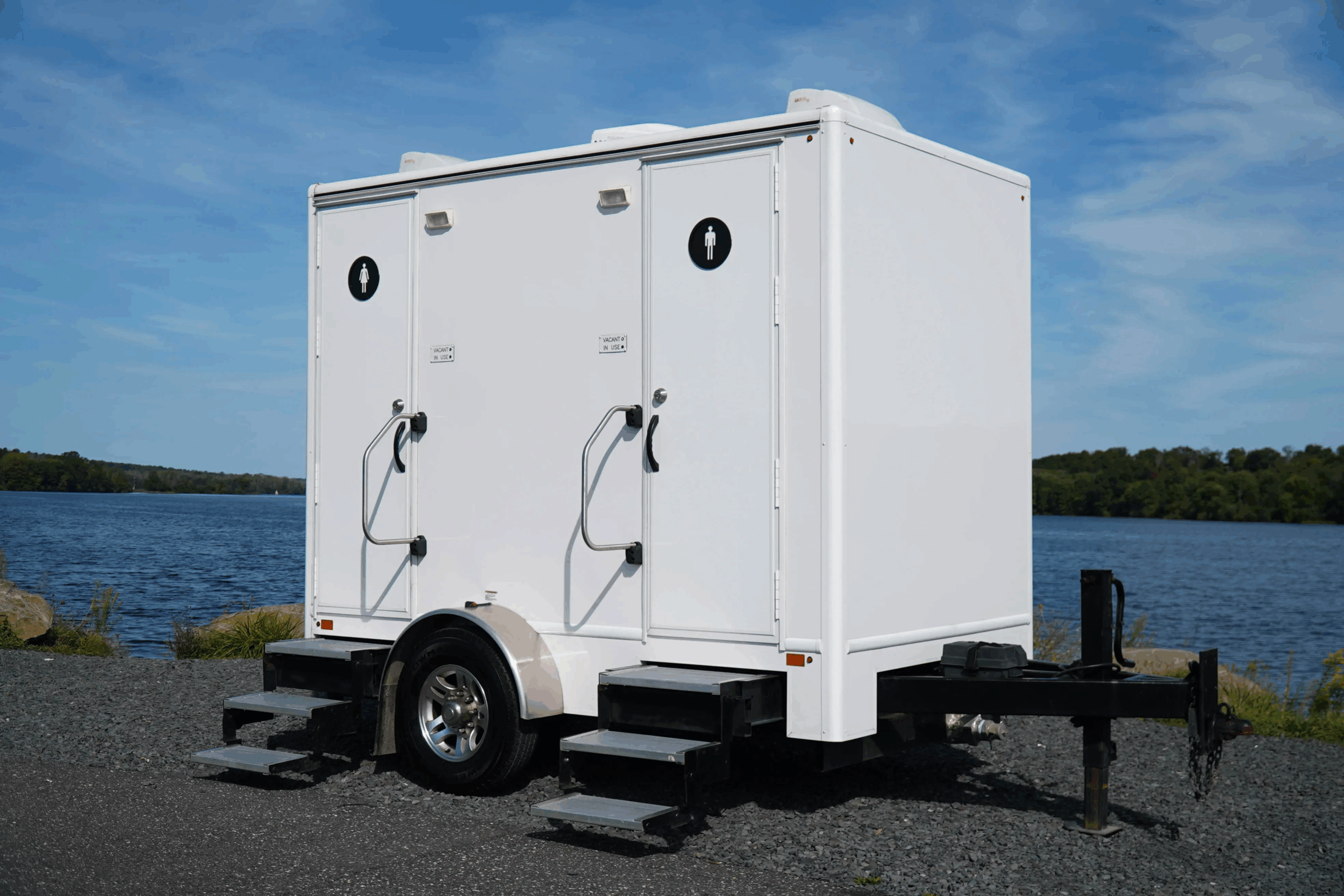
Restroom Trailer Rentals in Beverly, Texas
Call today for a free quote (830) 465-2319
Restroom Trailer
Fast, Easy, & 100% Free To Get Started
Over 20 Years Of Experience
Our Beverly-based restroom trailer company, boasting over 20 years of experience, offers quality service and unmatched reliability. We are deeply connected to the community and dedicated to customer satisfaction, fostering lasting relationships and trust in the local area.
Dedicated To Quality Service
Our restroom trailers set the standard for quality, combining cutting-edge sanitation technology with exceptional customer service. We prioritize cleanliness and reliability in every unit, ensuring a flawless experience for your event.
Prompt Delivery Guaranteed
Our company is committed to providing prompt and efficient delivery of restroom trailers to suit any schedule. With a focus on timeliness, we ensure your event is equipped with premium restroom facilities right when you need them.
Luxury Restroom Trailer Services in Beverly, Texas
Call for a Free Quote Today
(830) 465-2319
As Beverly's trusted provider of restroom trailers, we pride ourselves on our reliability, dependability, and local ownership. Our trailers serve a range of events, such as construction sites, parties, festivals, and weddings in Beverly and nearby areas, including Hillsboro and Temple. We focus on keeping our facilities impeccably clean and functional, ensuring all users enjoy a seamless experience. By understanding the distinct needs of every occasion, we aim to deliver top-notch sanitation services that surpass expectations. Whether you're hosting an intimate gathering or a large public event, our team prioritizes your guests' comfort. Committed to maintaining superior sanitation standards, we keep everything operating smoothly. Choose us to experience the perfect blend of local expertise and exceptional service.
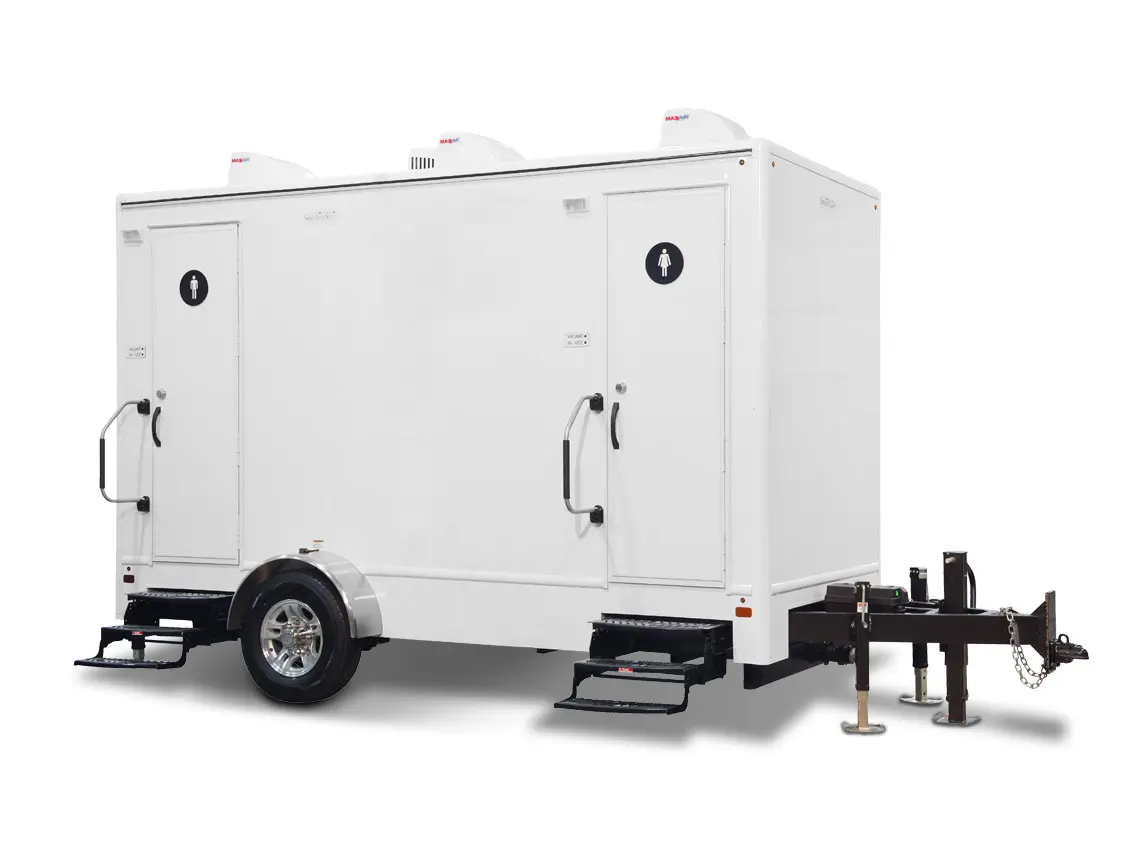
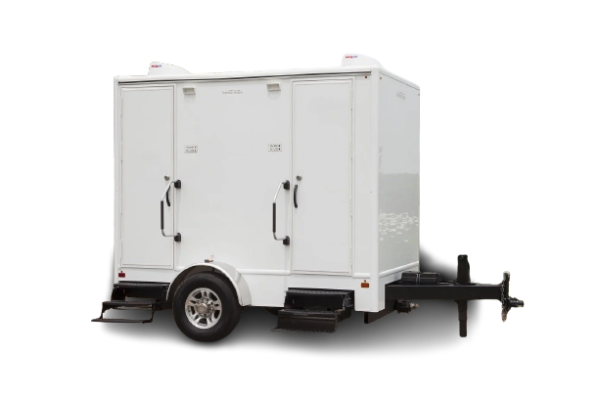
A compact, stylish solution featuring separate entrances for men and women.Each private suite includes flushing toilets, sinks with running water, interior lighting, and climate control for comfort at any event or worksite. (We offer variants 2–10 stalls.)
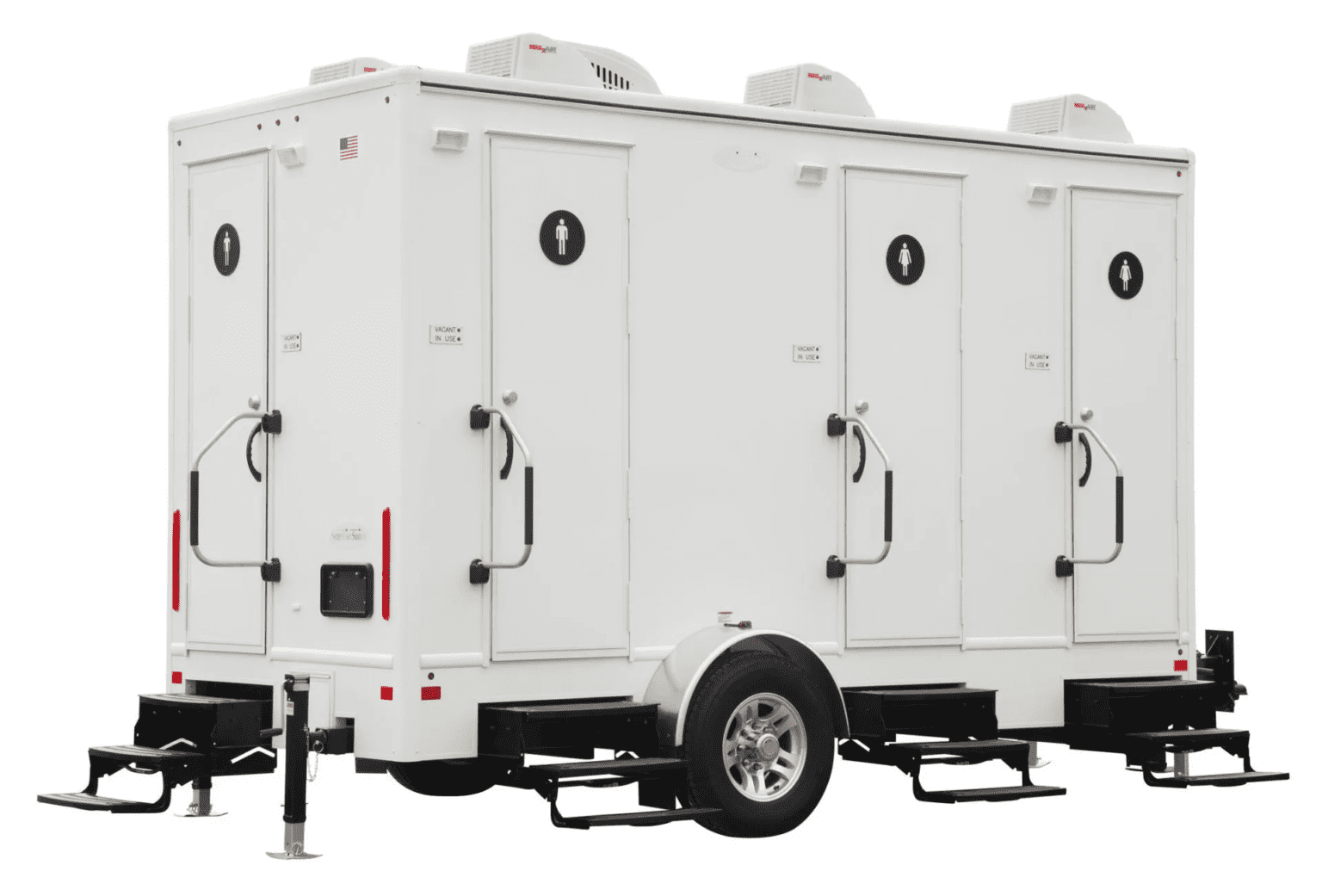
Designed for higher guest capacity, this unit offers four private, individual restrooms with flushing toilets, sinks with running water, interior lighting, and climate control. Ideal for weddings, festivals, and busy job sites.(We offer variants 2–10 stalls.)
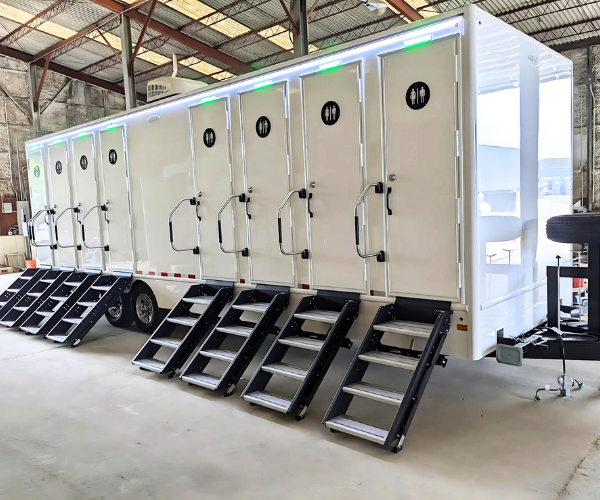
Perfect for large events and high-traffic sites, this spacious trailer provides eight private stalls, each with a flushing toilet, sink with running water, interior lighting, and climate control. A reliable, upscale solution for maximum convenience and comfort.(We offer variants 2–10 stalls.)
We Proudly Serve
Standard Portable Toilets
Standard Portable Toilets serving J Bar in Texas offer essential amenities for outdoor events and construction sites.
High Rise Portable Toilets
High Rise Portable Toilets in Beverly ensure efficient sanitation solutions for multi-story construction projects.
Restroom Trailers
Restroom Trailers at Beverly for J Bar offer luxurious sanitation facilities for weddings and corporate events.
Roll off Dumpsters
Roll off Dumpsters at J Bar in Beverly provide convenient waste management solutions for large events and construction needs.
Septic Tank Cleaning
Septic Tank Cleaning at J Bar, Texas, delivers reliable maintenance for residential and commercial septic systems.
Grease Trap Cleaning
Grease Trap Cleaning in Beverly, Texas, ensures efficient waste removal for local restaurants and businesses.
Fencing & Barricades
Fencing & Barricades service operating in J Bar, Texas, provides secure and temporary barrier solutions for events and construction sites.
Residential Storage
Residential Storage in Texas at Beverly ensures secure and accessible storage solutions for homeowners.
Beverly Restroom Trailer Services
Getting a quote and delivery for a restroom trailer in Beverly has never been easier. Our streamlined process provides a quick and convenient way to estimate costs and schedule deliveries for your event. Utilizing clear, easily accessible contact forms, you can provide essential details like your name, phone number, and email to receive fast, accurate quotes. At every step, we prioritize customer convenience, offering flexible options that ensure a seamless acquisition of restroom facilities. From the moment you contact us, our team works diligently to provide a prompt reply, guiding you through any questions you may have. Once the quote is confirmed, our efficient delivery service ensures that the restroom trailer arrives on time, fully equipped, and ready to serve your guests. We maintain a high standard of service that complements our quality products, allowing you to focus on enjoying your event with peace of mind.
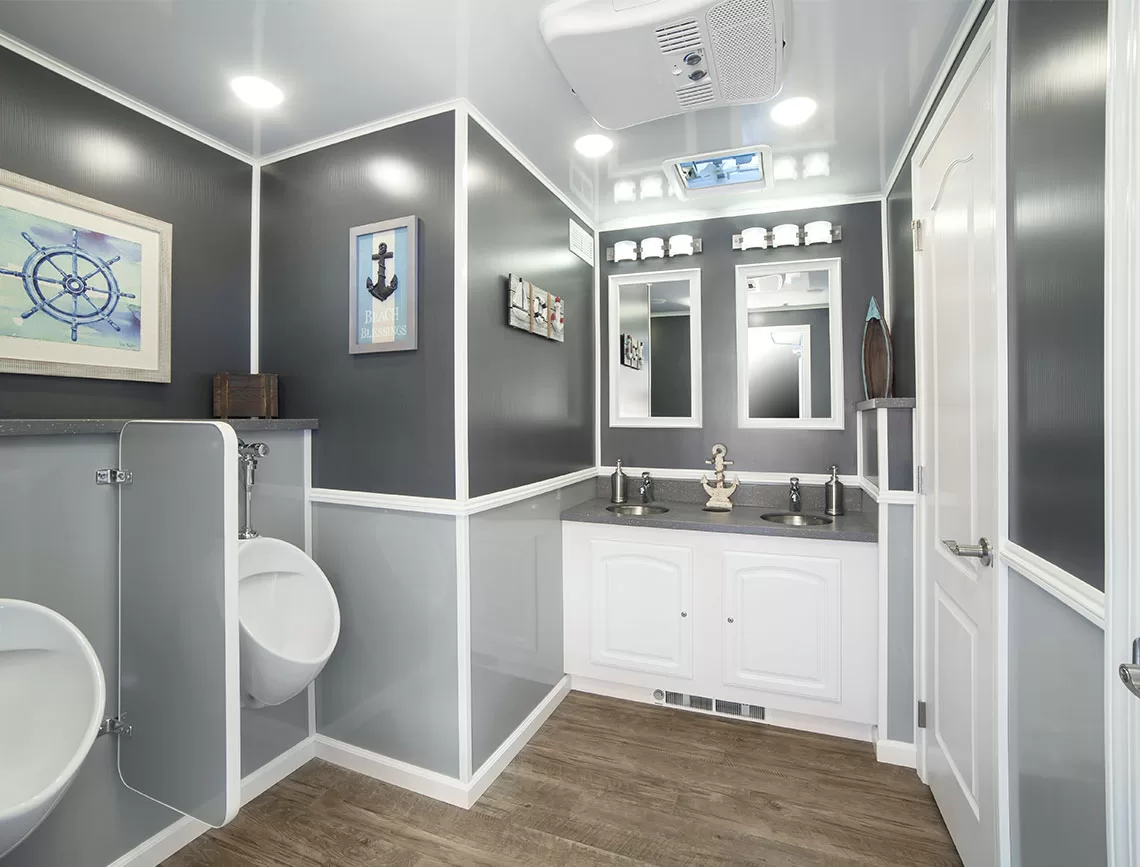
Nestled in the heart of Texas, Beverly is a community rich with local charm and scenic beauty, making it an ideal place for outdoor events and gatherings. Our restroom trailer service stands out in this environment, offering top-tier facilities designed to integrate into any outdoor setting. Whether you're planning a festival at one of Beverly's picturesque parks or a private wedding surrounded by Texas' natural beauty, such as near the serene Brazos River, our trailers provide comfort and convenience. Embracing Beverly's community spirit, our trailers support events like the renowned Heart of Texas Fair & Rodeo and local parades, ensuring that guests enjoy utmost sanitary conditions. Our commitment to quality and cleanliness resonates with the local lifestyle, promoting sustainability and comfort in every setup. Perfect for enhancing guest experiences, our restroom trailers in Beverly cater to diverse occasions while blending seamlessly into the environment. Let us elevate your event with facilities that reflect Beverly's unique charm, creating memorable moments for you and your guests.
Why are we the best choice in Beverly? Our dedication to quality and service excellence sets us apart. As a locally-owned company, we have a deep understanding of the community's needs, providing restroom trailers tailored to fit a variety of Beverly events. By combining our deep knowledge of local preferences with industry-leading facilities, we distinguish ourselves from competitors. Our clean, reliable trailers consistently ensure guests' comfort throughout every event.Central to our philosophy is cultivating lasting relationships with clients, guaranteeing personalized service crafted uniquely for each occasion. Trust built over the years speaks volumes about the loyalty and satisfaction we cultivate within Beverly's event-planning community.With top-notch equipment and a customer-centric approach, we aren't just about meeting your needs—we exceed expectations every time. Partner with us and discover why Beverly consistently selects us for its sanitation needs.
We are the cornerstone of prompt and dependable restroom trailer services in Beverly. Our quick-response team tirelessly ensures you have access to modern, fully functional trailers precisely when required.Timeliness remains our priority. From initial inquiries to final deliveries, our process is streamlined for maximum efficiency. We offer a comprehensive selection of trailers, ready for immediate dispatch, to meet both emergency and scheduled event needs.Rely on us for peace of mind, knowing our swift, reliable service is supported by a team committed to high standards, ensuring your event proceeds smoothly with minimal interruptions.
Discover Restroom Trailer Options in Beverly
Renting a Restroom Trailer in Beverly is designed to be straightforward and user-friendly, making it easy for both new and returning clients. The first step involves visiting our website, where you'll find forms strategically placed at the top and bottom of the page. These forms are easy to complete, requiring essential details such as first name, last name, phone number, and email, ensuring we have the necessary information to process your request efficiently.In addition to the forms, you'll notice 'Get A Quote' buttons throughout the site. These buttons are convenient entry points that lead directly to the quote request page, streamlining the process to get an estimate quickly. They serve as a quick gateway to interacting with our team, ensuring you receive a speedy response.Once the request is submitted, our responsive team begins processing it, prioritizing customer inquiries to maintain prompt service. The next steps involve tailoring the rental options to fit your specific needs, whether it's a single-day event or a long-term commitment.We recognize that planning an event involves multiple details, so our aim is to make the restroom trailer rental aspect as hassle-free as possible. As a part of the community-oriented approach, our support team remains available for any questions or special requirements you might have. With a focus on transparency and convenience, we guide you through each step, from inquiry to delivery.The intention behind this streamlined rental process is to provide a seamless experience, allowing you to focus on other aspects of your event. By choosing to rent from us, you're assured of a professional and reliable service, tailored to meet the unique demands of your event in Beverly.
Understanding the typical delivery timeframe for restroom trailer orders is essential for planning any event with confidence. Our commitment to efficient service means that delivery times can be very flexible based on your event needs and location. For local events within Beverly and nearby areas, we aim for a delivery window of 24 to 48 hours from the time of order confirmation, ensuring your restrooms are ready well before the guests arrive.For larger events or those located further away, we extend our delivery timeline slightly, typically managing to have the trailers in place 48 to 72 hours in advance. This timeframe accommodates necessary transport and setup processes, such as ensuring the areas are accessible and prepared for placement. This period also allows our team to address any potential logistical challenges that could arise, guaranteeing uninterrupted service delivery.One of the defining features of our service is our ability to provide expedited delivery options for urgent or last-minute requests. Understanding that plans can change unexpectedly, our team is equipped to meet tight deadlines, often reducing the standard delivery timeframe to meet critical client demands.The efficiency of our delivery process is enhanced by the effective communication system we have in place. Throughout each step, from the moment an order is placed to the deployment of trailers, the client is kept informed about status updates and any modifications to the scheduled delivery. This transparency builds trust and ensures that there are no surprises on the day of the event.Ultimately, our objective in managing delivery timeframes is not only to meet but to exceed client expectations, creating a stress-free experience where the focus remains on having a successful and memorable event. By working proactively with you, we guarantee that our restroom trailers arrive on time, every time.
We are fully equipped and ready to support any event or construction project, ensuring our diverse offerings meet your needs perfectly. Whether you're hosting a grand festival, a sporting event, an elegant wedding, a corporate function, or an intimate family reunion, our range of services makes us the ideal sanitation partner.We offer an extensive selection of facilities, from opulent luxury restroom trailers to efficient porta potties, each tailored to fit the unique requirements of your event. For construction sites and large events, our roll-off dumpsters provide a dependable solution for efficient waste management.Understanding the varied needs of different event types and locations, we offer a broad array of services, including ADA units for enhanced accessibility, portable sinks, and hand sanitizer stations to maintain impeccable hygiene standards. Our experienced staff manages logistics, setup, and maintenance, ensuring seamless service.Our comprehensive services extend beyond events, providing essential support for construction sites with fencing and barricades to ensure safety and organization. Dedicated to excellence, we guarantee that your event or project runs smoothly with sanitation facilities that accommodate all guests or workers comfortably.With our team's commitment and the quality of our units, we have built a reputation for reliability and satisfaction. Choosing our services ensures a worry-free experience with a partner committed to upholding the highest industry standards in every scenario, guaranteeing positive outcomes for our clients.